Why Vegas Is the World's Horror Capital: Inside the Creative Magnet Drawing Fear Artists to the Desert
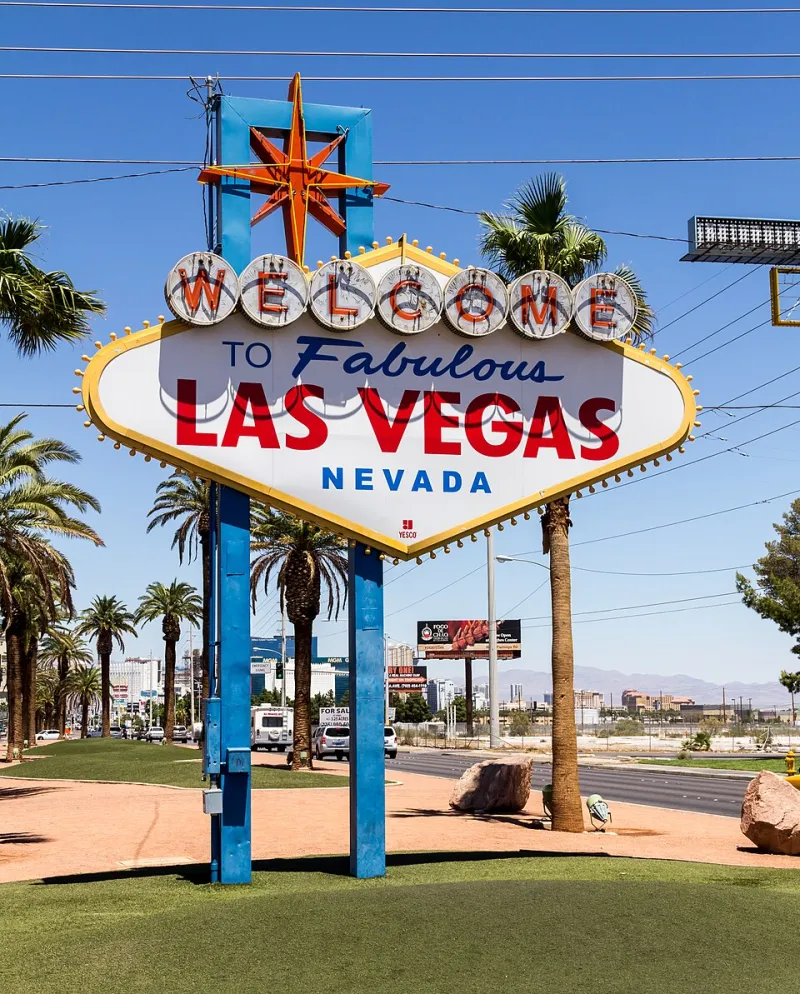
Photo: Dietmar Rabich, CC BY-SA 4.0, via Wikimedia Commons
Ask a horror filmmaker from Portland or a haunted attraction designer from Atlanta why they packed up and moved to Las Vegas, and you'll hear some version of the same answer: because I could finally go all the way here.
That phrase — going all the way — means something specific in the horror world. It means an audience that doesn't flinch. It means a city infrastructure that operates at 3 a.m. without complaint. It means investors who understand that spectacle is currency and that fear, properly packaged, sells like nothing else on earth. Las Vegas doesn't just tolerate horror creativity. It actively rewards it.
And word has gotten out.
Over the past decade, Vegas has quietly assembled one of the densest concentrations of horror talent in the United States. Haunted attraction entrepreneurs, paranormal content creators, practical effects artists, immersive theater designers — they're arriving from Los Angeles, from London, from Tokyo, and from small towns across the American Midwest. The question worth asking is: why here, and why now?
The 24/7 Factor Nobody Talks About
Most American cities have an unofficial curfew. Not a legal one, necessarily, but a cultural one — a point in the evening when the energy drops, the crowds thin, and the sense of possibility narrows. Businesses close. Streets quiet down. The window for creating compelling, large-scale experiences slams shut around midnight.
Las Vegas doesn't have that window. It has no window at all.
For horror creators, this is transformative in ways that are easy to underestimate. A haunted attraction operator in, say, Columbus, Ohio, is fundamentally constrained by the calendar and the clock. Seasonal Halloween events, weekend hours, early closing times driven by noise ordinances and neighborhood concerns — the operational ceiling is low. In Vegas, a horror experience can run seven nights a week, fifty-two weeks a year, until four in the morning if the demand supports it. The economics of fear change completely when you're not racing against October 31st.
Filmmakers and content creators feel this too. The city's lighting infrastructure, its tolerance for unusual production activity, its army of available crew members who are already accustomed to working odd hours — all of it creates a production environment that horror projects thrive in. Shooting a moody paranormal documentary at 2 a.m. on a Vegas side street doesn't raise eyebrows. It barely registers.
Audiences Trained for Extreme Experiences
There's a psychological dimension to Vegas audiences that horror creators talk about constantly, and it goes beyond simple thrill-seeking. People who travel to Las Vegas have already made a deliberate choice to step outside their ordinary lives. They've booked a flight, paid for a hotel, and arrived with an explicit appetite for experiences they can't get at home. That mental posture — open, expectant, willing — is extraordinarily valuable for any entertainment format that asks audiences to surrender control.
Horror, more than almost any other genre, depends on audience buy-in. A crowd that's skeptical, distracted, or emotionally guarded is almost impossible to scare effectively. Vegas visitors, by contrast, show up primed. They want to be astonished. They've already mentally given permission for the extraordinary.
Haunted attraction designers describe Vegas crowds as the most responsive they've ever worked with. Reactions are bigger, more genuine, and more shareable — which matters enormously in an era when social media documentation of a fear experience can drive thousands of additional ticket sales. The audience isn't just experiencing the horror. They're amplifying it.
The Permission Structure of Sin City
Every city has invisible boundaries around what's acceptable in public entertainment. Those boundaries are shaped by local politics, community standards, religious influence, and simple cultural conservatism. In most American cities, horror entertainment that pushes into genuinely disturbing territory — extreme gore, psychological manipulation, content that challenges comfortable assumptions — runs into resistance fast.
Vegas operates under a fundamentally different permission structure. The city was built on the premise that adults should be allowed to make their own choices about how they spend their money and their evenings. That founding philosophy extends, in practice, to horror entertainment in ways that creators find genuinely liberating.
Haunted attraction builders in Vegas describe being able to execute concepts that would have been shut down by community pressure or local ordinance in other markets. Horror filmmakers talk about finding collaborators — location owners, city officials, business partners — who respond to unconventional ideas with curiosity rather than suspicion. The cultural baseline for what counts as "too far" sits at a meaningfully higher level here.
This isn't about shock value for its own sake. The most sophisticated horror creators aren't interested in gratuitous content. But having the creative headroom to explore genuinely dark psychological territory, without constantly negotiating against external resistance, changes what's possible artistically.
Money Understands Spectacle Here
Horror is expensive to do well. Practical effects, professional performers, sophisticated set design, immersive technology — building a genuinely terrifying experience requires capital investment that many horror entrepreneurs struggle to access in markets where investors view the genre as niche or risky.
Vegas investors think differently. They operate in an environment where a $10 million immersive experience is a normal conversation, where the ROI math on entertainment spectacle is well understood, and where a proven concept can scale quickly because the tourist infrastructure already exists to fill seats. Horror creators who spent years pitching their ideas to skeptical investors in other cities describe walking into Vegas meetings and finding people who immediately understood the business case.
The city's existing entertainment ecosystem also creates partnership opportunities that don't exist elsewhere. Hotel properties looking for unique guest experiences, casino operators seeking edge-of-strip attractions, event promoters with established audiences and marketing channels — all of these represent potential collaborators for horror creators who know how to speak the language of Vegas entertainment economics.
The Community That Built Itself
Perhaps the most underappreciated factor driving Vegas's emergence as a horror creative hub is the community that has formed among the creators already here. Horror is a collaborative art form in ways that outsiders don't always recognize. Makeup artists, set builders, sound designers, performers, writers, and directors all feed each other's work. When that talent pool reaches critical mass in a single city, the creative output accelerates in ways that are difficult to explain but impossible to miss.
Vegas has hit that threshold. The horror creative community here is real, active, and growing — sharing resources, collaborating on projects, and collectively raising the standard for what fear-based entertainment can achieve. For creators considering a move, that community is itself a powerful draw. Arriving in Vegas doesn't mean starting from scratch in isolation. It means plugging into a network of people who are already doing serious work.
For anyone wondering where the most ambitious horror creativity in America is happening right now, the answer is less and less surprising. It's the city that never sleeps, never apologizes, and never, ever tells you the night has to end.
The desert, it turns out, is the perfect place to build your nightmares.