Monsters Made Here: Inside the Makeup Magic Transforming Vegas Haunted House Performers
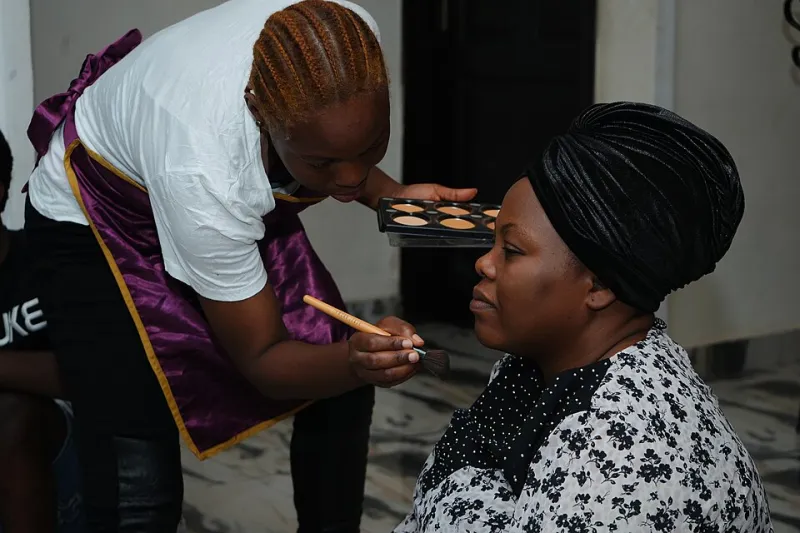
Photo: Yemi festus, CC BY-SA 4.0, via Wikimedia Commons
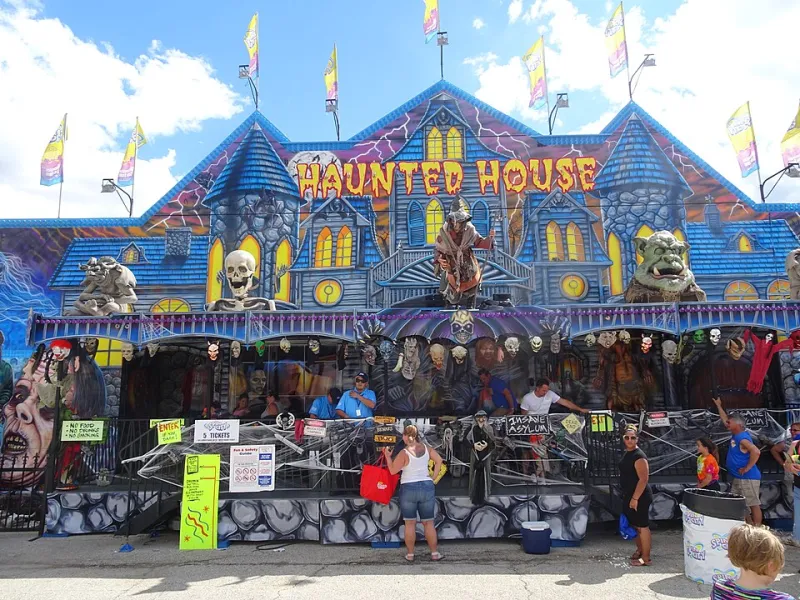
By the time you're sprinting through a fog-filled corridor at one of Las Vegas's premier haunted attractions, heart hammering, the last thing on your mind is the three hours of prep work that went into the creature that just made you scream. But somewhere backstage — under fluorescent lights, surrounded by foam latex, silicone molds, and enough spirit gum to wallpaper a casino — a makeup artist is doing the most important job you'll never think about.
Las Vegas has quietly become one of the most competitive haunted attraction markets in the country. And with that competition comes a relentless push to make the monsters look real. Not Halloween-party real. Nightmare-fuel real.
The Artists Nobody Sees
Talk to the makeup teams working Vegas's biggest haunted houses and one thing becomes immediately clear: these aren't hobbyists with a Spirit Halloween kit. Many of the artists pulling double duty in attraction makeup rooms have backgrounds in film, theatrical production, and competitive special effects work. Some have trained under industry veterans who've worked on major studio horror productions.
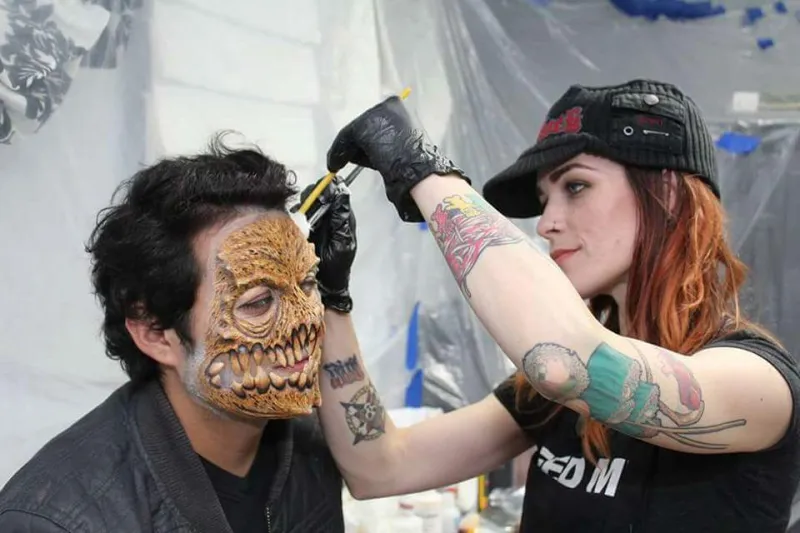
"People think it's face paint and fake blood," says one lead makeup artist who works the season circuit at a major Strip-adjacent attraction and asked to remain anonymous. "But we're building faces. We're sculpting cheekbones, sinking eye sockets, adding texture that reads under low light and strobe conditions. That's a completely different skill set than what you see in a tutorial video."
The challenge unique to haunted attractions — versus film or TV — is volume and speed. A film production might spend six hours on a single actor's makeup for one scene. A haunted house might need thirty performers camera-ready in under two hours, every operating night, for weeks on end.
Foam, Silicone, and the Tools of the Trade
So what actually goes into making a Vegas haunted house performer look like something that crawled out of a fever dream? The answer depends heavily on the character and the budget tier of the attraction.
At the entry level, skilled painters work with high-pigment theatrical makeups, airbrushing techniques, and strategic use of shadow and highlight to create convincing wounds, decay, and distortion on a flat face. It's impressive work, but it has limits — especially under close scrutiny.
Step up to mid-tier and higher-end productions, and you start seeing prosthetics enter the picture. Foam latex appliances — pre-sculpted pieces that adhere to the skin — can add horns, elongated chins, sunken cheeks, or grotesque brow ridges. Platinum silicone prosthetics take it even further, offering a skin-like flex and translucency that fools the eye at uncomfortably close range.
"Silicone moves with you," explains another industry professional who has designed looks for multiple Southern Nevada haunted events. "When an actor snarls or tilts their head, the prosthetic behaves like real skin. That's what crosses people from 'that's a good costume' into genuine panic."
Beyond appliances, the toolkit includes encapsulated silicone for seamless blending at prosthetic edges, hand-laid hair for facial detailing, custom contact lenses, and dental work ranging from stained veneers to full fang sets. The really committed productions even commission custom silicone masks — full-face pieces with built-in expression mechanics.
Surviving the Season: Durability and Performer Care
Here's a logistical reality most guests never consider: these looks have to survive a full operating night. That means sweat, physical activity, fog machine mist, and the occasional panicked guest grabbing at a performer. Makeup that looks stunning in a still photo can fall apart in those conditions without serious technical consideration.
Prosthetics are sealed with specialized products designed to lock down edges and prevent lifting. Makeup is set in layers, with barrier sprays and powder sealing between coats. Blood effects — when used — are applied strategically so they don't migrate into performers' eyes or mouths during a long shift.
And then there's removal. Spending three hours in silicone and spirit gum night after night takes a toll on skin. The best makeup teams invest as much thought into safe, thorough removal protocols as they do into application. Adhesive removers, gentle cleansers, and moisturizing aftercare aren't just nice-to-haves — they're how you keep your performer roster healthy through a six-week Halloween run.
Want to Try It Yourself? Start Here
Maybe you've watched one too many behind-the-scenes videos and you're ready to take a crack at horror makeup for your own Halloween costume or a themed event. Vegas actually has a few solid resources for aspiring gore artists.
Local beauty supply stores and specialty retailers carry professional-grade products that are accessible to beginners — look for names like Ben Nye, Mehron, and Graftobian for theatrical makeups. For prosthetics, companies like Tinsley Transfers offer pre-made silicone appliances that don't require professional-level blending skills to pull off convincingly.
A few tips straight from the pros:
- Always patch test adhesives. Spirit gum and skin-safe silicone adhesives can cause reactions, especially on sensitive skin. Test a small area 24 hours before your event.
- Work in thin layers. Whether it's paint or prosthetic blending, building up gradually gives you far more control than trying to do everything in one pass.
- Lighting matters. A look designed for dim, theatrical lighting will read very differently in bright indoor light. Consider where you'll actually be wearing the makeup when you're designing it.
- Seal everything. A setting spray formulated for theatrical use will dramatically extend how long your work lasts through a night of movement and heat.
- Practice the removal. Especially if you're using adhesives. Ripping off a prosthetic without proper remover is a great way to ruin your skin and your night.
If you're serious about leveling up, keep an eye on local workshops — Las Vegas occasionally hosts special effects and theatrical makeup classes tied to the Halloween season, sometimes run by the very artists working the haunted attractions you've visited.
The Monster Economy
What's easy to miss when you're fleeing down a strobe-lit hallway is that Vegas's haunted attraction industry supports a genuine creative economy. Makeup artists, prosthetics fabricators, costume designers, and special effects technicians all find seasonal — and sometimes year-round — work in a city that has elevated Halloween from a holiday into a full-blown entertainment genre.
For the artists themselves, it's often a labor of love as much as a paycheck. The hours are long, the conditions are challenging, and the audience — by design — never stops to appreciate the craftsmanship. They're too busy running.
But ask any haunted house makeup artist why they keep coming back season after season, and the answer is usually some version of the same thing: there's nothing quite like building a monster good enough to make a grown adult genuinely afraid of the dark.
In Las Vegas, that's not just a craft. It's an art form.