Scared Differently: Why Vegas Horror Hits Americans Way Harder Than Everyone Else
Photo: Prudence Siebert, Public domain, via Wikimedia Commons
You've probably stood in line at a Vegas haunted attraction next to someone from another country—maybe overheard them chatting in German or laughing in Japanese—and wondered why they seemed so... chill. Not unbothered exactly, but not wrecked the way you were. Not checking over their shoulder in the parking lot. Not texting their friends at midnight about the clown in room seven.
There's a reason for that. And it's not that Americans are softer.
It's that Vegas haunted attractions are, quietly and deliberately, built to target something very specific: the American psyche.
The Fear Is in the Details
When Marcus Delray, a creative director who has designed walk-through horror experiences on the Strip for over a decade, talks about building a scare, he doesn't start with monsters. He starts with memory.
"The scariest thing we can do is make someone feel like they already know this place," he says. "Like they've been here before. Like something bad happened here and they just... forgot."
For American visitors, that sense of uncanny familiarity is everywhere inside a well-built Vegas haunted house. The flickering fluorescent lights in a fake casino corridor. The smell of stale cigarettes and carpet cleaner. The sound of slot machines warping into something sinister. These aren't random design choices—they're cultural shorthand that lands differently depending on where you grew up.
A tourist from Tokyo or Copenhagen hasn't spent years absorbing the mythology of Las Vegas through American pop culture: the cautionary tales, the crime dramas, the documentaries about mob history, the urban legends about bodies in the desert. They can appreciate the craft. But they don't feel it the same way.
Vegas Has Its Own Horror Canon
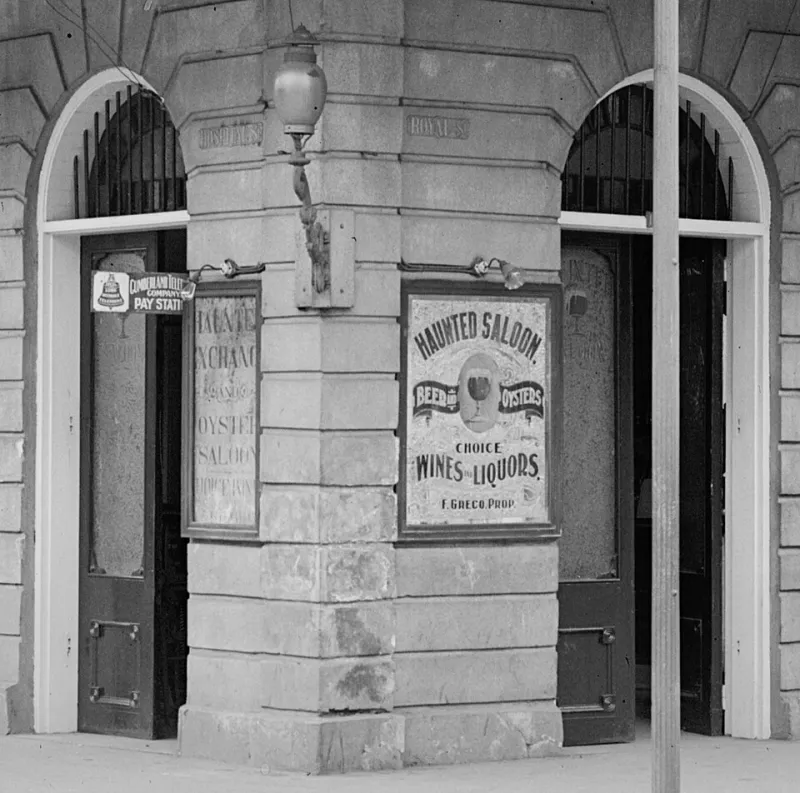
Las Vegas carries a genuinely dark history that most Americans have absorbed without even realizing it. The mob era. The atomic testing just 65 miles north of the Strip. The missing persons cases. The old hotels that burned. The way this city was literally built in the middle of an inhospitable desert where survival was never guaranteed.
Attraction designers lean into all of it.
"We use the desert a lot," says one haunt creator who preferred to stay anonymous. "Americans understand what the Mojave means. It means isolation. It means your body might not be found. International guests think it's dramatic. Americans think it's real."
That distinction—dramatic versus real—is everything in horror design. The closer a fear lives to actual possibility in your own life, the more it burrows under your skin. And for Americans, particularly those who've spent time in the Southwest, the desert isn't a backdrop. It's a threat they already respect.
Gambling Paranoia Is a Uniquely American Flavor
Ask any designer what the most underrated fear in Vegas haunted attractions is, and a surprising number will say the same thing: losing control of luck.
Americans have a complicated relationship with gambling that goes way beyond the casino floor. It ties into anxieties about financial security, fate, deserving good things, and the terror of watching a sure thing collapse. Vegas haunted attractions that incorporate casino imagery—rigged games, broken jackpots, dealers with wrong faces—tap into something that hits domestic visitors right in the gut.
Sophie Brennan, a travel writer from the UK who visited three major Vegas haunted attractions last fall, put it plainly: "The casino rooms were creepy, obviously. But my American friends were panicking. One of them said it felt like a nightmare she'd actually had. I just thought it was clever theming."
Sophie wasn't scared less because she was braver. She was scared less because she hadn't spent years building up a personal mythology around what a Vegas casino represents.
Universal Scares vs. Culturally Loaded Ones
None of this means international visitors leave Vegas haunted houses feeling cheated. The industry has gotten remarkably good at layering scares so there's something for everyone.
Jump scares work on everybody—that's just biology. Darkness, sudden loud noises, things moving fast in peripheral vision: those triggers are hardwired into human brains regardless of passport. Designers use them freely as a kind of baseline.
But the stuff that makes people genuinely disturbed—the imagery that follows them home, the scenes they describe to friends weeks later—that's where cultural context separates the experience.
Hiroshi Tanaka, visiting from Osaka with a group of friends, said the most unsettling moment for him wasn't any of the American iconography. It was a simple room with a single chair, a light swinging overhead, and complete silence. "That room had no story I needed to know," he said. "It was just wrong. Everyone felt that."
Designers call these moments "pure dread"—scenes with no cultural dependencies that operate on something more primal. The best Vegas attractions balance them carefully with the culturally specific stuff, making sure nobody walks out completely unscathed.
What Designers Are Actually Doing
Here's what's interesting: most of the designers building these experiences are themselves American, steeped in the same cultural fears they're weaponizing. They're not running psychological experiments consciously—they're building from instinct, drawing on what scared them first.
"I grew up watching news coverage of Vegas in the '90s," Marcus says. "The crime, the excess, the idea that this city existed outside normal rules. That stuff lodged in my brain as a kid. Now I build rooms from it."
That autobiographical quality gives Vegas haunted attractions an authenticity that's hard to fake. The fears feel specific because they are specific—pulled from a shared American cultural experience that international visitors can observe but not quite inhabit.
So Why Does Any of This Matter?
If you're a domestic thrill-seeker planning a Vegas horror night, this is actually great news. You're not just paying for jump scares and fog machines. You're walking into something that's been—whether intentionally or not—calibrated to your exact cultural frequency.
The dark history of this city, the mythology of the desert, the loaded symbolism of the casino: all of it is working on you in ways you probably can't fully articulate in the moment. You just know it hits.
And if you're visiting from another country? You'll still have a great time. Vegas haunted attractions are genuinely world-class. But you might notice your American travel companions seem a little more rattled afterward.
That's not a coincidence. That's design.
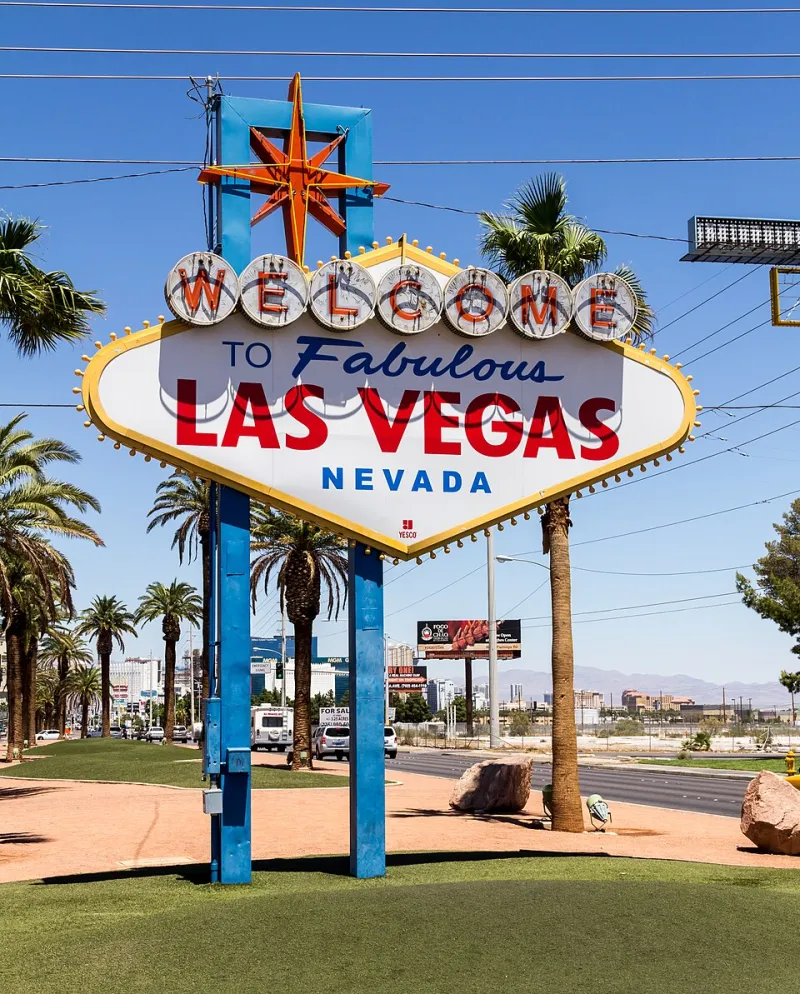
Welcome to Vegas. We know exactly what scares you.