Your Brain on Vegas Fear: The Weeks-Long Neurological Hangover Nobody Warns You About
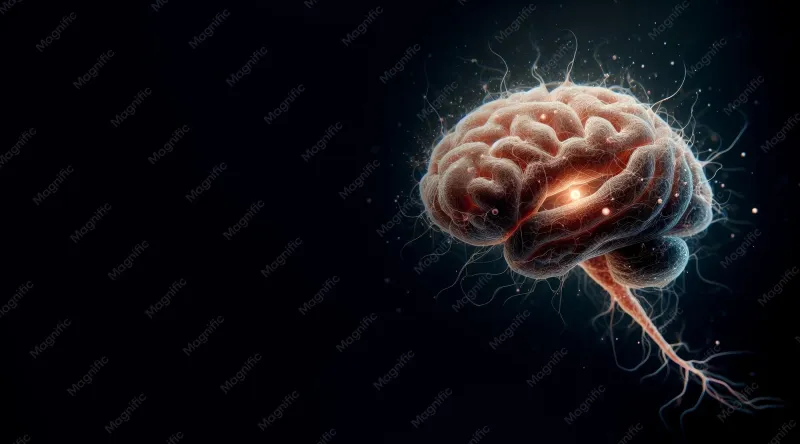
Photo: brain neurons glowing fear anxiety dark dramatic, via img.freepik.com
It's been three weeks since Danielle Marsh walked through one of Las Vegas's most notorious haunted attractions — a sprawling, multi-room nightmare experience she'd been hyping herself up for since August. She doesn't want to name the venue specifically, but she's happy to describe what happened after.
"I'm a grown adult," she says, laughing a little nervously. "I've done haunted houses in Ohio, in Chicago, in Atlanta. Nothing prepared me for still flinching at my own shadow three weeks later."
She's not alone. Talk to enough repeat haunted attraction visitors in Vegas and you'll hear some version of this story over and over. The Strip's signature horror experiences don't just scare you in the moment — they seem to follow people home. The question is why. And the answer, it turns out, is buried deep in your brain chemistry.
What Fear Actually Does to Your Neurons
To understand the Vegas hangover effect, you first have to understand what a truly intense scare does to your nervous system in real time. When your brain perceives a threat — a chainsaw-wielding actor lurching out of the dark, a sudden pressure change, a scream that seems to come from inside your own skull — your amygdala fires like a car alarm going off in a parking garage. Stress hormones flood your bloodstream. Your heart rate spikes. Cortisol and adrenaline surge simultaneously.
None of that is surprising. What is surprising is what happens next.
"When you experience fear at that intensity, the amygdala essentially flags the memory as high-priority," explains one neuroscientist who studies emotional memory consolidation. "It's the brain's way of saying, 'This was important. Don't forget it.' The problem — or the feature, depending on how you look at it — is that the brain isn't always great at distinguishing between a real threat and a simulated one when the physiological response is identical."
In other words, your brain doesn't fully care that you paid $50 for the privilege of being terrified. The neurons firing during a Vegas haunted house experience are doing the same work they'd do if the danger were genuine.
The Vegas Variable
Here's where it gets specifically interesting for anyone who's done the haunted attraction circuit around the country. Vegas isn't just another city with a Halloween event. It's a sensory pressure cooker that operates at a different baseline than almost anywhere else in America.
Before you've set foot in a single haunted house, your nervous system has already been processing hours of overstimulation — flashing lights, casino noise, crowds, alcohol, disrupted sleep schedules, the disorienting absence of natural time cues. Your stress-response system is already primed.
"Think of it like compound interest," says one behavioral psychologist familiar with fear research. "If you're doing a haunted attraction in a quiet suburb somewhere, your nervous system is starting from a relatively calm baseline. Vegas visitors often aren't. The environment has already been incrementally elevating their arousal levels for hours or days. When the scare hits, it lands on top of all of that."
This compounding effect means the fear imprint created in a Vegas haunted house may be neurologically deeper than one created in a more neutral environment. The emotional intensity of the experience gets burned in with more force, and the brain's memory-consolidation process during sleep — which happens in the nights immediately following — locks that intensity in place.
Why You're Still Jumpy Three Weeks Later
Sleep, it turns out, is a huge part of the story. When you sleep after a high-intensity emotional experience, your brain doesn't just file the memory away. It replays it, processes it, and in some cases strengthens the emotional charge attached to it. This is the same mechanism that makes traumatic memories so persistent — and while a haunted house is obviously not trauma in the clinical sense, the underlying neurology rhymes more than most people realize.
Add to that the fact that Vegas visitors are frequently sleep-deprived when they're having these experiences, and you've got a situation where the memory consolidation process is already running inefficiently. Some research suggests that sleep deprivation can actually intensify the emotional encoding of scary or threatening experiences rather than blunting it.
For Danielle, the weeks-long jumpiness manifested in small, slightly embarrassing ways. Hesitating before opening doors. Checking the back seat of her car before getting in. "It sounds ridiculous when I say it out loud," she admits. "But my body was genuinely treating certain situations as if they might be dangerous. My heart rate would tick up. It wasn't rational."
What she was experiencing has a name in behavioral science circles: generalized threat sensitization. Basically, her amygdala had been so thoroughly activated during the haunted house that it temporarily lowered its threshold for what counted as a potential threat. Things that would normally slide right past her threat-detection system were getting flagged.
The Repeat Visitor Paradox
Here's the twist that genuinely surprises people: knowing all of this doesn't stop haunted attraction enthusiasts from coming back. In fact, for a certain subset of Vegas horror fans, the lingering neurological effect is part of the appeal.
Marcus Delaney has done the Vegas haunted attraction circuit four years running. He tracks his visits in a spreadsheet. He describes the post-experience weeks the way some people describe a good workout's muscle soreness — as evidence that something real happened.
"If I walk out and I'm fine by Monday, it wasn't worth the trip," he says flatly. "The best ones stay with you. That's the whole point."
Neuroscience has an explanation for this too. The same adrenaline-cortisol cocktail that creates the fear response also triggers a significant dopamine release as the threat passes and the brain registers that you survived. For some people, the brain learns to associate the lingering heightened state — even the jumpiness, even the slightly elevated anxiety — with that dopamine payoff. The hangover becomes part of the reward.
"It's a form of classical conditioning," notes one fear researcher. "The brain links the whole experience, including the aftermath, with the pleasure of having made it through. Some people genuinely seek that out."
What This Means for Your Next Vegas Trip
If you're planning a haunted attraction visit in Vegas and you'd prefer not to spend the following month startling at your own reflection, there are a few practical things worth knowing. Prioritizing sleep in the days immediately following the experience genuinely helps — giving your brain time to properly process and contextualize the memory reduces the intensity of the emotional imprint. Keeping your overall stimulation levels lower in the hours before the attraction (easy to say, hard to do in Vegas, we know) can also moderate the compounding effect.
But honestly? If you're reading this site, you're probably not here to minimize the experience. You're here because you want the full hit.
Danielle is already looking at dates for next October. The three weeks of phantom jumpiness, she says, were absolutely worth it.
"It's the most I've felt something in a long time," she says. "In a weird way, that's kind of the point of the whole trip."
Your amygdala, for better or worse, tends to agree.