Spending to Scream: The Surprising Dollars Behind Vegas Horror Tourism
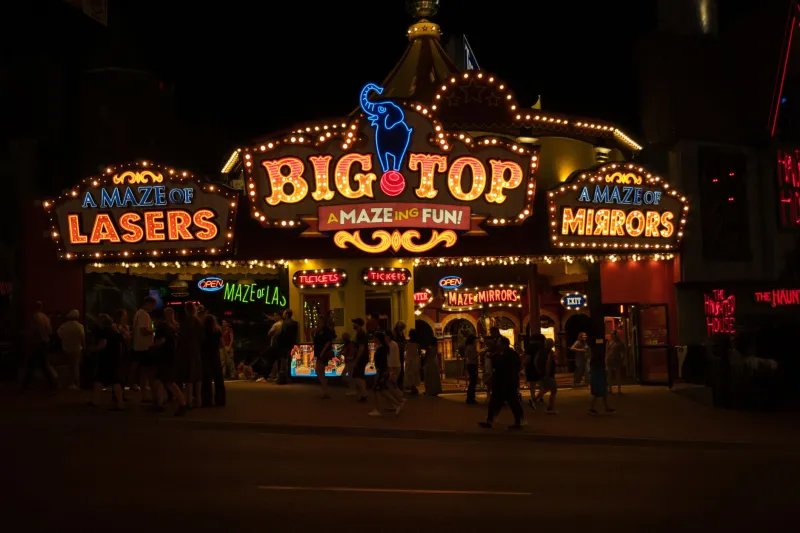
Las Vegas has always been a city built on the willingness to spend money on experiences that don't exist anywhere else. Gambling, headline residencies, Michelin-starred buffets — Vegas has long mastered the art of convincing you that a particular thrill is worth a premium price. So it probably shouldn't come as a shock that horror tourism has plugged right into that same psychological socket. But the actual dollar figures? Those might raise an eyebrow even for seasoned Vegas regulars.
Let's talk about what fear-seekers are really spending when they roll into Vegas for a scare fix.
The Ticket Price Is Just the Beginning
A standard haunted attraction ticket in Vegas typically runs anywhere from $30 to $60 for general admission. That's already a step above what you'd pay at a suburban Halloween maze back home. But the real spending starts after you've bought your way through the door.
Upgrade culture is massive in Vegas horror. Fast-pass lanes, VIP experiences, and exclusive "extreme" add-ons can push the total cost of a single haunted attraction visit well past $100 per person. Some of the city's higher-end horror experiences — the ones with immersive theatrical elements, custom scent systems, and actor-to-guest ratios that feel almost uncomfortably personal — have been known to charge upward of $150 for a single run-through.
And most people don't stop at one attraction. The average Vegas horror tourist hits two to three haunted experiences per trip, according to informal surveys circulating in horror fan communities. Do the math and you're looking at $200 to $400 in ticket spending before a single drink has been ordered.
Themed Dining and Drinking: Fear Has a Tab
One thing Vegas does better than anywhere else is the themed dining experience, and horror tourism has fully colonized that space. Spooky cocktail menus, macabre dinner events, and Halloween-adjacent restaurant pop-ups have become a legitimate revenue stream for venues that understand their clientele.
Horror tourists in Vegas tend to treat themed dining as part of the overall experience rather than just fuel between attractions. A horror-themed dinner event — think gothic decor, theatrical servers, and a menu with names like "Bleeding Heart Tartare" — can run $80 to $150 per person before drinks. Add a couple of specialty cocktails at $18 to $22 each and you're looking at a dinner bill that would be at home at a fine dining establishment.
The psychology here is interesting. Horror fans aren't just paying for food — they're paying for narrative continuity. They want the fear-adjacent atmosphere to extend beyond the haunted house walls, and they're genuinely willing to pay for that immersion. Restaurants and bars in Vegas that have figured this out are quietly printing money during horror season.
The Merch Factor: Fear as a Souvenir
Horror merchandise is a sleeper category that doesn't get enough attention in conversations about Vegas scare spending. Haunted attraction gift shops have evolved well beyond cheap plastic skulls and glow-in-the-dark keychains. The better attractions in Vegas now stock limited-edition apparel, artist-designed prints, custom enamel pins, and branded collectibles that function as legitimate fan memorabilia.
The average horror tourist drops somewhere between $30 and $75 at a single attraction's gift shop, with dedicated collectors spending significantly more. Limited runs and exclusive-to-venue items create genuine urgency — the same scarcity psychology that drives sneaker culture and concert merch. People buy because they know they can't get it anywhere else, and in Vegas, that's a very familiar feeling.
Beyond the attractions themselves, the broader Vegas retail ecosystem catches horror dollars too. Novelty shops on and near the Strip stock horror-adjacent merchandise year-round, and specialty pop-up shops during peak Halloween season can move serious volume.
Accommodation and the Horror Upgrade
Here's where Vegas horror spending gets genuinely interesting from an economic standpoint: accommodation choices. A meaningful segment of horror tourists specifically seek out hotels with spooky reputations, gothic aesthetics, or explicit Halloween programming — and they pay more for the privilege.
Several Vegas properties have leaned hard into seasonal horror themes, offering decorated rooms, haunted history tours, and package deals that bundle hotel stays with attraction tickets. These packages typically carry a 20 to 35 percent premium over standard room rates for the same dates. Horror tourists pay it without much hesitation, because the hotel itself becomes part of the experience.
This is a meaningful departure from how traditional Vegas visitors approach accommodation. For most Strip visitors, the hotel room is where you sleep between activities. For horror tourists, it's another layer of the experience — and that shift in perception translates directly into higher willingness to spend.
Why the Premium Price Tag Doesn't Scare Them Off
The financial psychology of horror tourism is genuinely distinct from other Vegas entertainment spending. When someone loses money at a blackjack table, there's a sunk-cost sting that colors the memory. When someone pays $120 for a haunted attraction and walks out with shaking hands and a massive adrenaline rush, they overwhelmingly report feeling like they got their money's worth — often more so than they expected.
Fear, it turns out, is one of the most effective value-delivery mechanisms in entertainment. The physiological response is immediate, undeniable, and deeply personal. You can't fake being scared, which means you can't fake the experience you just had. Horror tourists leave with a story that belongs entirely to them, and that kind of souvenir has a perceived value that's hard to put a number on.
There's also a social currency component. Surviving a legitimately terrifying Vegas horror experience is something you talk about. It's shareable, relatable, and — for a certain type of person — a genuine point of pride. The $150 ticket becomes a $150 story, and stories have a longer shelf life than almost anything else you can buy in Vegas.
The Return Visit Economy
Perhaps the most telling indicator of how horror tourism economics work is the return rate. Vegas horror attractions consistently report that a substantial portion of their visitors are repeat customers — people who came last year, had a transformative experience, and built a return trip around coming back.
Repeat horror tourists tend to spend more per visit, not less. They know what they want, they're willing to upgrade, and they arrive with the confidence of someone who understands the value of what they're buying. They're also more likely to bring first-timers with them, which effectively makes them a free marketing channel.
For Vegas as a whole, this is a meaningful economic pattern. Horror tourism isn't just pulling in one-time visitors — it's building a loyal audience with strong return intent and high per-visit spending. In a city that's always hunting for the next reason to get people back through the door, fear is turning out to be a remarkably reliable hook.
The adrenaline economy in Vegas is real, it's growing, and it's built on something surprisingly simple: people will pay generously for an experience that makes them feel genuinely alive. In a city full of manufactured thrills, that's a powerful thing to be selling.