Likes, Screams, and Ring Lights: How Social Media Rewired Vegas Haunted Attractions Forever
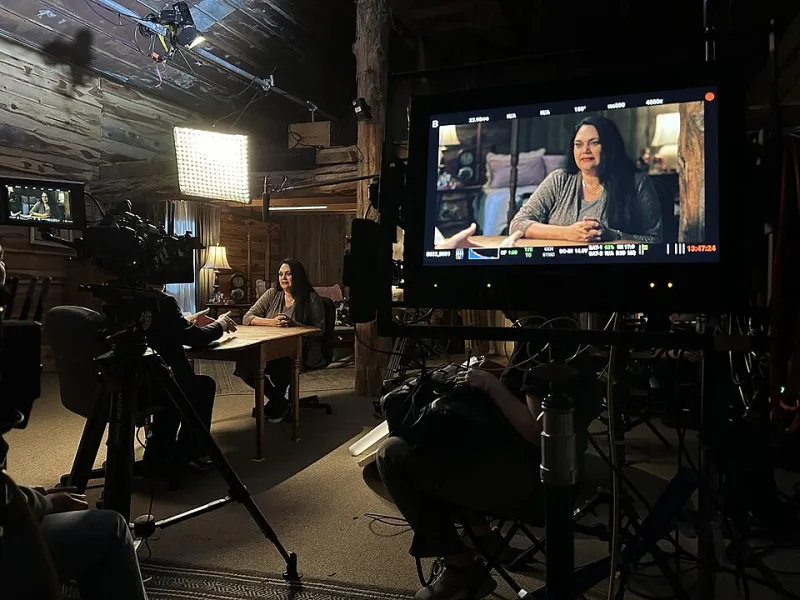
Photo: Leitreanna, CC0, via Wikimedia Commons
There's a moment inside almost every major Vegas haunted attraction now where you notice it. A narrow hallway lit just a little too perfectly. A performer who holds the scare just a half-beat longer than necessary. A fog machine that kicks in with almost suspicious timing. You're not imagining it. That hallway, that pause, that fog — it was designed for your phone.
Social media didn't just change how people talk about Vegas horror. It rewired how Vegas horror actually gets built.
From Word-of-Mouth to Word-of-Feed
Not long ago, haunted attractions in Vegas lived and died by local word-of-mouth and a handful of print listings. Repeat visitors spread the gospel, and if you weren't plugged into the right circles, you might not even know a particular experience existed until October was halfway over.
Then came Instagram. Then YouTube walkthrough videos. Then TikTok, which arguably did more to mainline haunted house culture into the American mainstream than anything before it. Suddenly, a single 30-second clip of someone absolutely losing their mind in a Vegas scare maze could rack up millions of views overnight. Attractions that once struggled to fill weeknights found themselves turning people away.
The math changed completely. A well-placed viral scream clip became worth more than a full advertising budget.
Building for the Camera (Whether You Admit It or Not)
Here's where it gets interesting — and a little controversial inside the industry. Some attraction designers are upfront about it: they now think in terms of content creation when they're building sets and choreographing scares. Others insist they're purely focused on the in-person experience and the cameras just happen to love what they do.
But walk through enough Vegas haunted houses and the evidence is hard to ignore. Lighting rigs that would have been considered overkill five years ago are now standard. Certain scare positions are staged in ways that read beautifully in vertical video. Moments of peak terror — a sudden drop, a full-body jump scare, a face-to-face encounter with a particularly unhinged performer — tend to happen in spaces that are just wide enough for someone to step back and capture the whole thing.
It's not cynical, exactly. It's adaptive. The attractions that figured out the visual language of social media content are the ones pulling in lines around the block on a Tuesday.
The 'Scream-for-Likes' Feedback Loop
Guests have changed too, and that shift is just as significant as anything happening on the design side.
A growing segment of haunted house visitors — especially younger crowds — arrive with content creation as a primary goal. They want the scream. They want the reaction. They want the clip that makes their followers feel like they were there. The fear is almost secondary to the documentation of the fear.
This has created a feedback loop that's genuinely reshaping the experience for everyone in line. Performers know that a great scare now has an afterlife on the internet. Guests who aren't there to film are still surrounded by people who are. The social layer sits on top of everything now, whether you opt into it or not.
Some regular Vegas horror fans — the ones who've been doing this for years before any of it was content — have complicated feelings about it. The vibe inside an attraction is different when half the crowd is managing a phone. But plenty of longtime haunt devotees will also admit that social media is the reason their favorite obscure Vegas attraction finally got the recognition it deserved.
Live-Streaming Fear: The Newest Frontier
If viral clips changed the game, live-streaming is currently in the process of changing it again.
Creators broadcasting their walkthroughs in real time have turned Vegas haunted attractions into participatory spectator events. Thousands of viewers watch remotely, reacting in the comments, screaming at their screens, effectively experiencing the haunted house through someone else's nervous system. For attractions, it's free advertising with a live audience. For creators, a strong live stream from a Vegas horror event can mean serious engagement numbers and new subscribers.
Some attractions have started quietly accommodating this — not always officially, but through unofficial understandings with known creators. Others have had to think carefully about what it means when the interior of their carefully crafted experience is being broadcast unedited to the internet.
The question of spoilers is real. If someone streams the entire layout of a haunt, does that kill the surprise for everyone who watches before they visit? The data seems to suggest no — if anything, preview content tends to drive ticket sales rather than suppress them. Seeing someone else get terrified makes you want to find out if it'll work on you.
What This Means for Vegas Specifically
Las Vegas was always built for spectacle. The city has never been shy about excess, theatrics, or the art of manufacturing an unforgettable moment. In a weird way, the social media era and Vegas horror were always going to be a perfect match.
Attractions here operate in a market where competition is intense and the bar for 'impressive' is set by casinos that spend millions on lighting design. The haunted house and horror event scene has had to be visually ambitious from the jump. That ambition translates directly to content that performs well online.
Vegas also draws a national and international crowd, which means a viral clip from a Strip-adjacent haunt isn't just reaching local audiences — it's landing in front of potential visitors in Chicago, Atlanta, and Seattle who are now adding a horror stop to their Vegas trip itinerary.
The Authenticity Question
None of this comes without tension. The purist corner of the haunted attraction community worries that optimizing for social media eventually hollows out the actual experience. That you end up with a series of photogenic moments rather than a sustained, immersive descent into genuine dread.
It's a fair concern. The best Vegas haunted experiences are the ones where you forget you have a phone entirely — where the fear is so immediate and total that documentation is the last thing on your mind. That kind of experience doesn't always make the most shareable content, because the camera can't fully capture what your nervous system is doing.
The attractions that will define Vegas horror over the next decade are probably the ones that figure out how to thread that needle. Visually arresting enough to generate content. Experientially overwhelming enough that you stop thinking about generating content.
That's a genuinely hard design problem. But if there's anywhere in the world with the creative appetite to solve it, it's this city.
The ring lights are already set up. The performers are hitting their marks. Your scream is loading.