Sold Out by Summer: How Vegas Horror Season Became America's Most Competitive Ticket
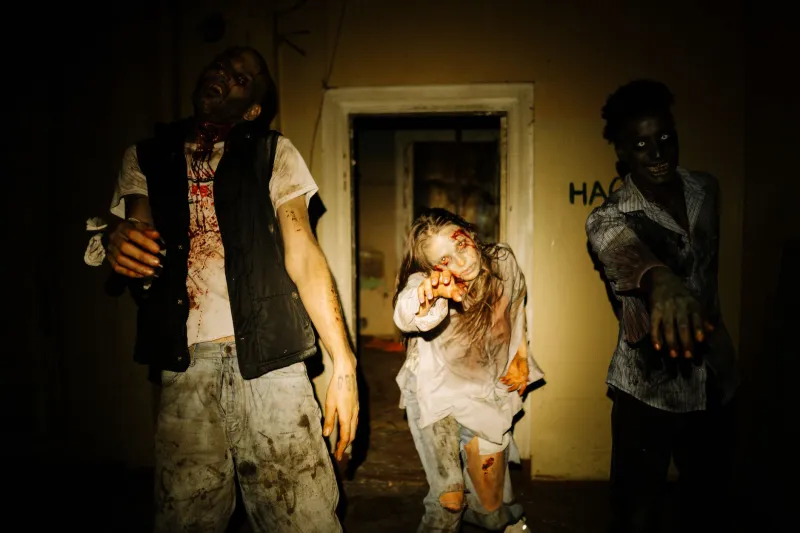
There's something quietly absurd about sweating over Halloween plans while you're still firing up the grill for Independence Day. But that's exactly where thousands of horror fans find themselves every single year — refreshing ticket pages in July, watching availability collapse in real time, and scrambling to lock down October reservations before the back-to-school sales even hit.
Vegas horror season didn't always work this way. Ask anyone who's been coming out to the desert for thrills over the past decade and they'll tell you the same thing: the window keeps shrinking. What was once a leisurely September decision became an August scramble, then a July sprint, and for the most popular experiences, it's now practically a spring sport.
So what happened? And what does it actually say about us that America's appetite for manufactured terror is outpacing the supply of it?
The Numbers Don't Lie
Operators across the Vegas haunted attraction circuit have watched their sellout timelines compress dramatically over the past few years. Venues that once held walk-up availability through mid-October are now turning away guests weeks before opening night. Some premium experiences — think immersive, limited-capacity horror events with theatrical production values — have begun offering early-access presales that vanish within hours of going live.
The pattern isn't random. It tracks closely with the post-pandemic recalibration of how Americans think about experiences versus stuff. After two years of cancelled plans and shuttered venues, people came roaring back to live events with a ferocity that caught even seasoned operators off guard. The haunted attraction industry, which had already been growing steadily for years, suddenly found itself at the intersection of pent-up demand and a cultural moment that was practically tailor-made for fear tourism.
Vegas, specifically, became the gravitational center of that moment.
Why Vegas Pulls the Crowd
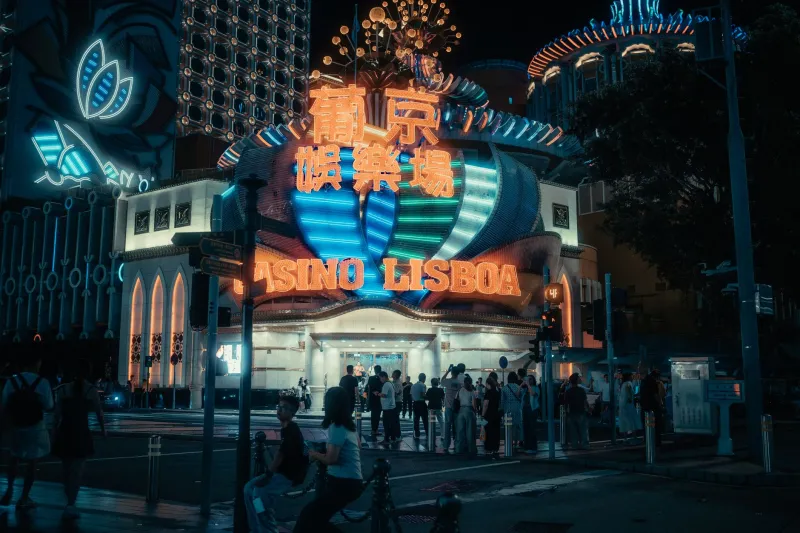
It's worth pausing on why Las Vegas specifically became the default destination for serious horror fans rather than, say, the established haunted trail scenes in the Midwest or the Halloween theme park events at major Florida resorts.
Part of it is infrastructure. Vegas already knows how to handle enormous crowds seeking peak experiences. The hospitality machine here — hotels, transportation, dining, nightlife — makes it easy to build a full horror weekend around a single haunted attraction visit. You're not driving forty-five minutes down a rural highway and hoping the portable toilets are stocked. You're rolling from your hotel, hitting a world-class scare, and landing at a late-night bar before midnight.
But the bigger draw is production scale. Vegas horror attractions have consistently pushed the envelope on what a haunted experience can look like. When you've got the construction talent, the entertainment industry connections, and the competitive pressure that comes with being in the world's most entertainment-saturated city, the results tend to be genuinely extraordinary. Word spreads. Horror communities online — Reddit threads, YouTube walkthroughs, TikTok reaction videos — amplify the reputation of standout venues until they're on bucket lists nationwide.
And bucket lists, it turns out, have a way of creating booking urgency.
The Psychology of the Presale Scramble
There's a feedback loop at work here that's worth understanding. The harder it becomes to get tickets, the more desirable those tickets feel. Scarcity isn't just a logistical reality in Vegas horror — it's become part of the experience's identity. When you finally score a spot at a sold-out immersive horror event, you're already primed to value it more. You fought for it. You planned around it. You told your friends about it before you even went.
Psychologists who study anticipatory pleasure have a term for the extended enjoyment people get from looking forward to an event — and it's not nothing. For horror fans, the weeks-long countdown to a Vegas scare trip functions almost like a slow-burn version of the fear experience itself. The excitement, the planning, the dread — it all starts the moment you hit confirm on that ticket purchase in July.
Attraction operators have gotten wise to this dynamic. Some venues now drip out teaser content through the summer months — cryptic social media posts, partial set reveals, performer casting announcements — specifically to sustain and build anticipation among people who've already booked. They're not just selling a night of screams. They're selling a four-month emotional arc.
What It Reveals About Where We Are
Zoom out a little and the booking-frenzy phenomenon starts to read as something more than just enthusiastic Halloween planning. Americans have spent the better part of the last several years in a state of low-grade ambient anxiety — economic uncertainty, social fracture, a general sense that the world is a less predictable place than it used to be. Controlled fear, the kind you pay for and walk away from, offers something genuinely valuable in that context.
It's fear with an exit. Fear that ends when the lights come up. Fear that you chose, that you can brag about, that bonds you with the people you brought along. In a cultural moment when so much actual fear feels uncontrollable, the appeal of a haunted house — where you're scared on your own terms — isn't hard to understand.
Vegas, with its promise of consequence-free indulgence and world-class spectacle, is the natural home for that impulse scaled up to its maximum form.
Getting Ahead of It
If you're reading this and already doing the mental math on your October plans, here's the practical reality: the attractions worth talking about will sell out. The question is whether you're on the right side of that sellout.
Sign up for email lists from your target venues now, even if it feels absurdly early. Follow them on social media and turn on notifications for ticket announcements. If a presale option exists, use it — the marginal cost is almost always worth it compared to the alternative of missing out entirely.
And maybe reframe the July booking date not as an inconvenience, but as the opening act of the experience itself. You're not doing admin. You're starting the countdown.